
Un cru de forêt aux notes de flore sauvage. Brut, artisanal, libéré en micro-lots et offert en quantités limitées. A forest vintage with wild-flora notes. Raw, artisanal, released in micro-lots and offered in limited quantities.


$19 · 5 oz (142 g)
Chaque pot est expédié dans sa boîte, avec sa cuillère en bois, sa carte de dégustation et son sac cadeau siglé. Livraison standard offerte à partir de 57 $ (trois pots). Tout sur le miel Every jar ships boxed, with its wooden dipper, its tasting card and its branded gift bag. Free standard shipping from $57 (three jars). Everything about the honey
Récolté au bord du fleuve Congo, dans la deuxième plus grande forêt du monde après l’Amazonie. L’une des régions les plus riches en biodiversité de la planète. Harvested by the Congo River, in the world’s second-largest forest after the Amazon. One of the most biodiverse regions on Earth.
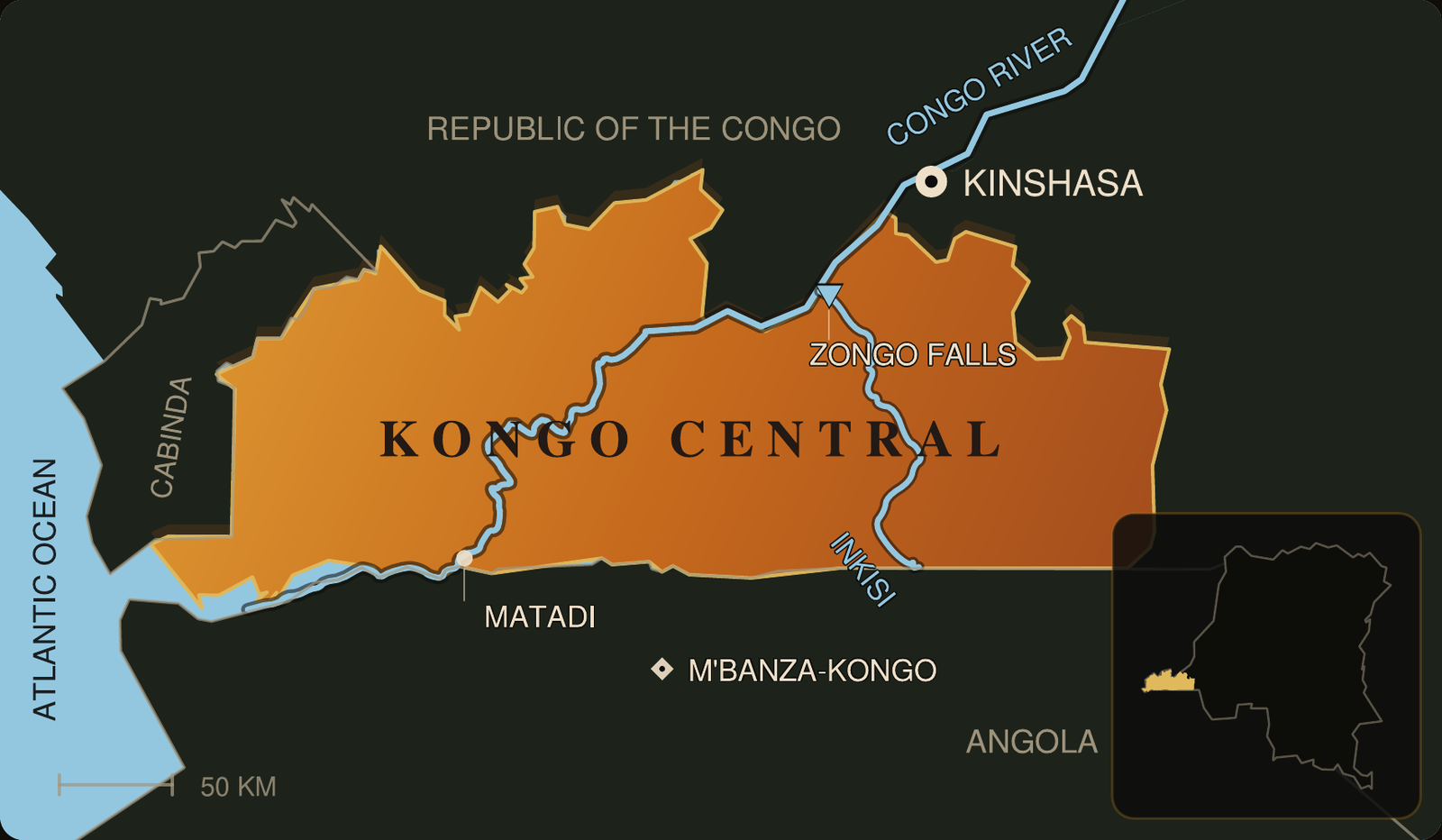
Le Kongo Central, la province la plus à l’ouest de la RD Congo.Kongo Central, the westernmost province of the DR Congo.
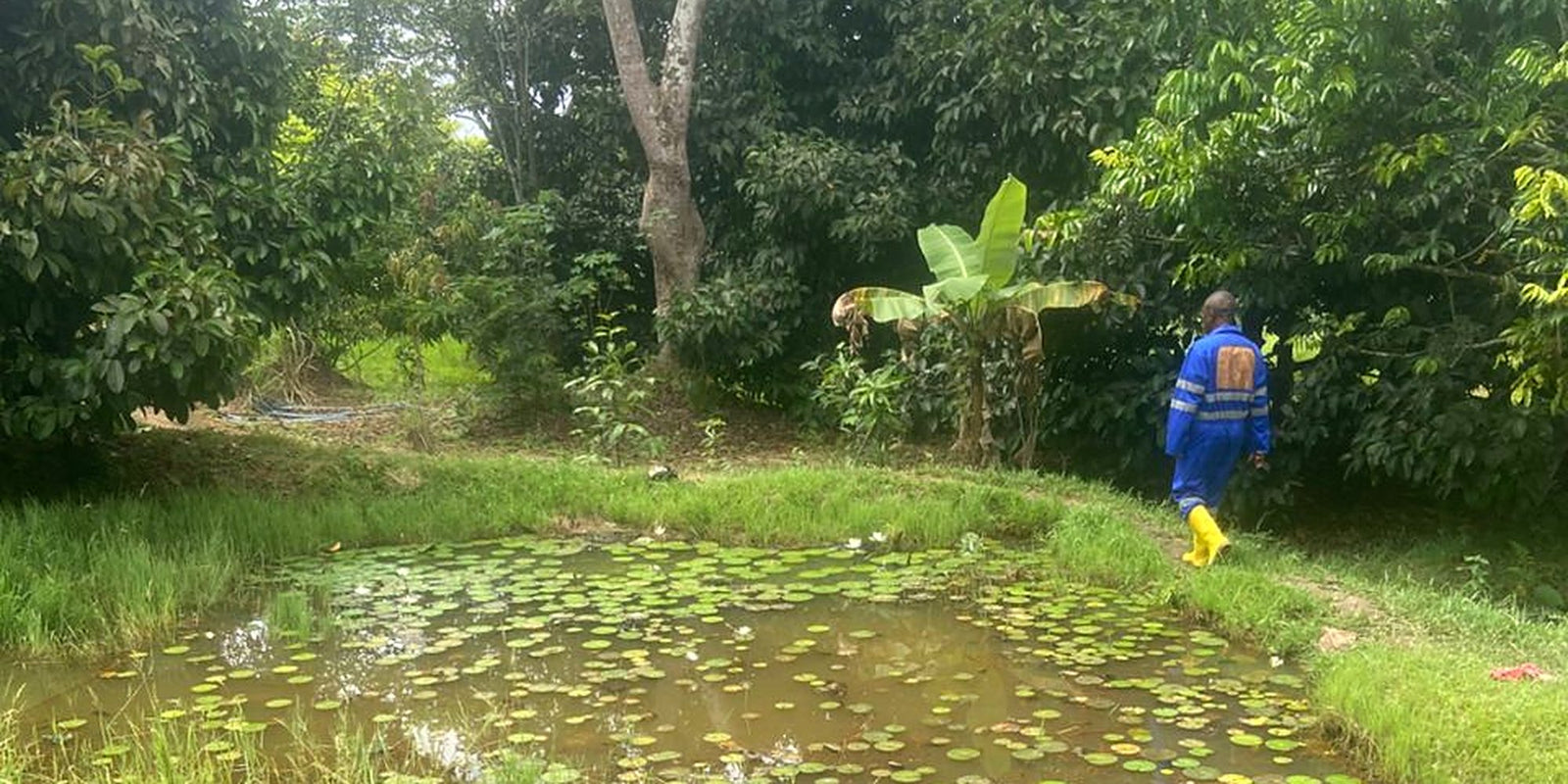
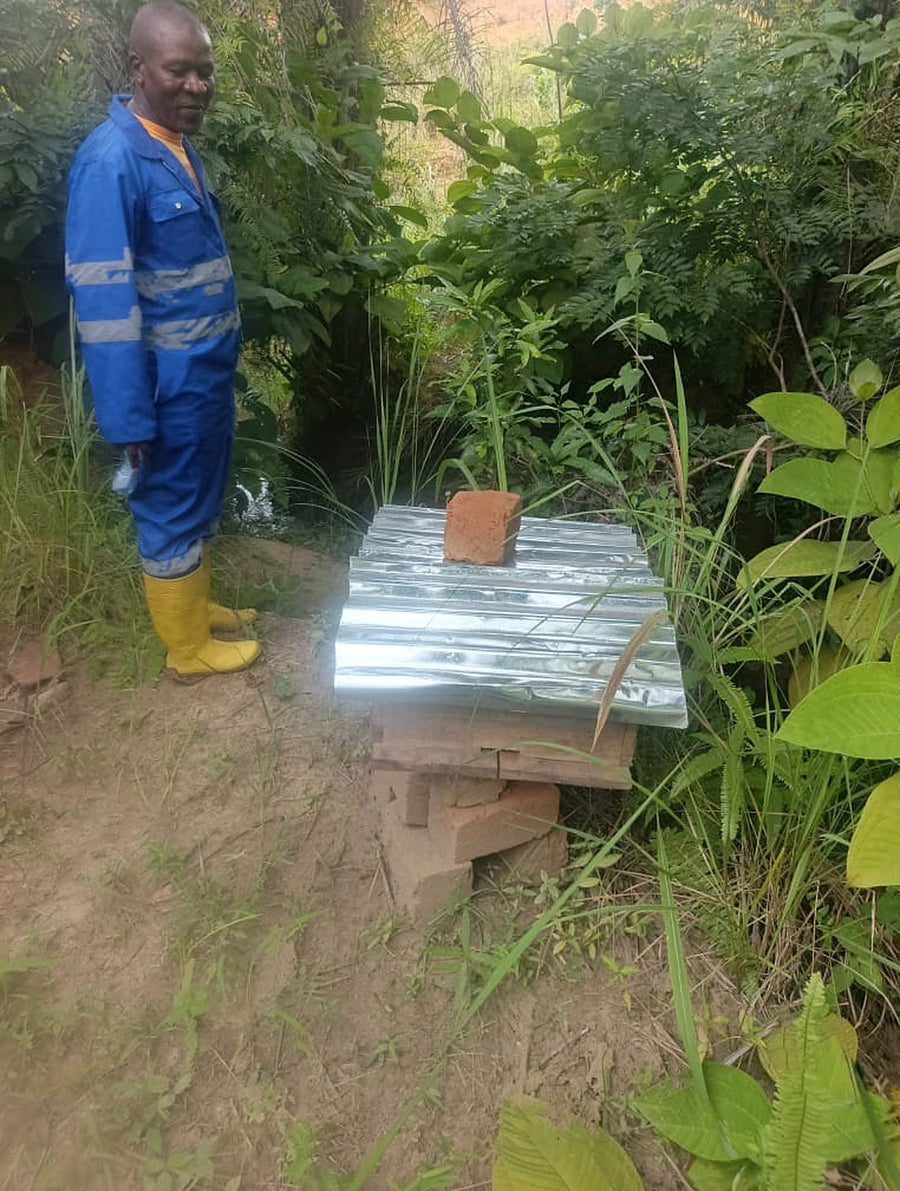
Notre ingénieur agronome et superviseur qualité et production, au bord de l’eau, en chemin vers les ruches. Forêt du Kongo Central.Our agronomist and quality and production supervisor at the water’s edge, on the way to the hives, Kongo Central Forest.
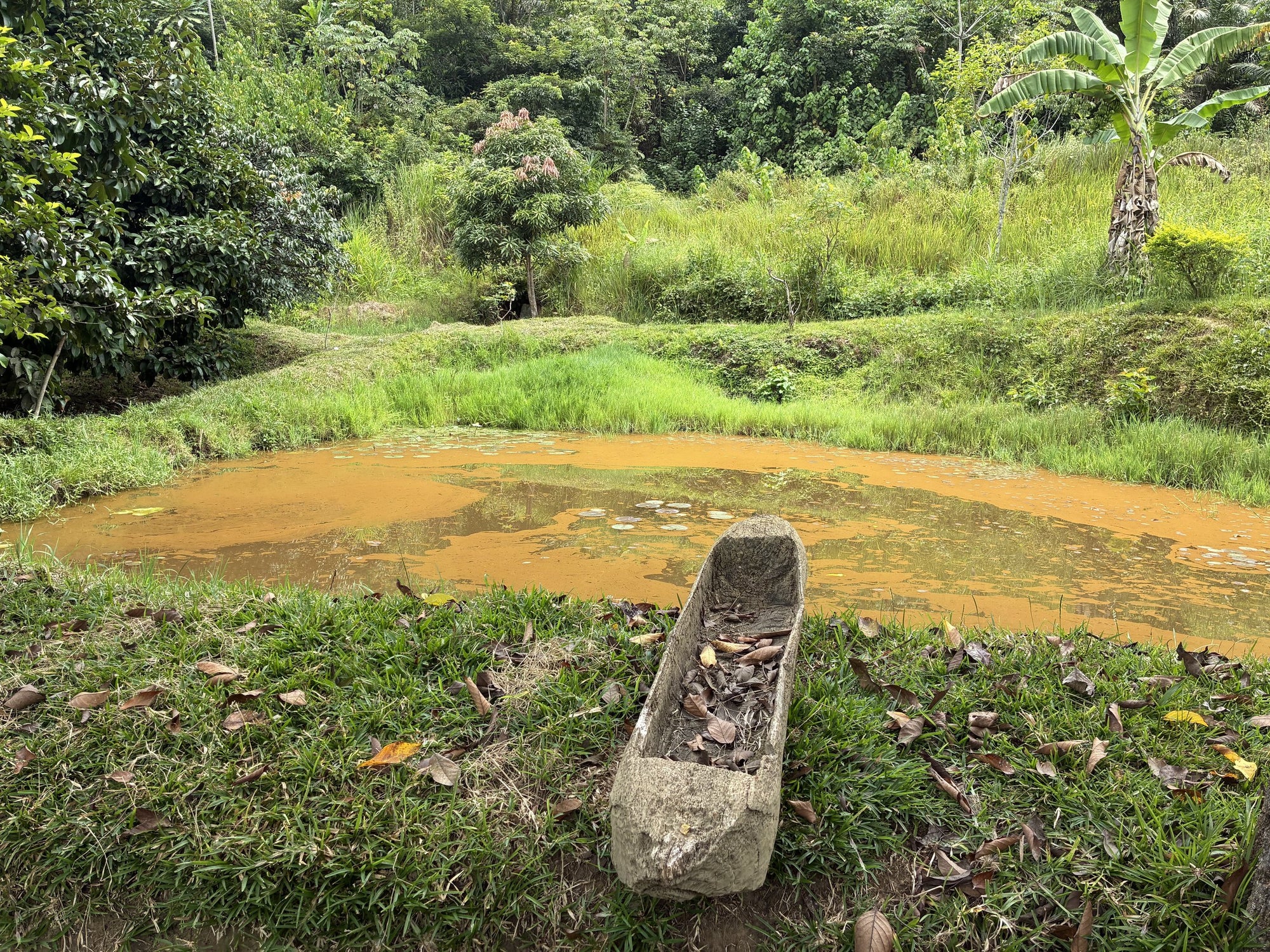
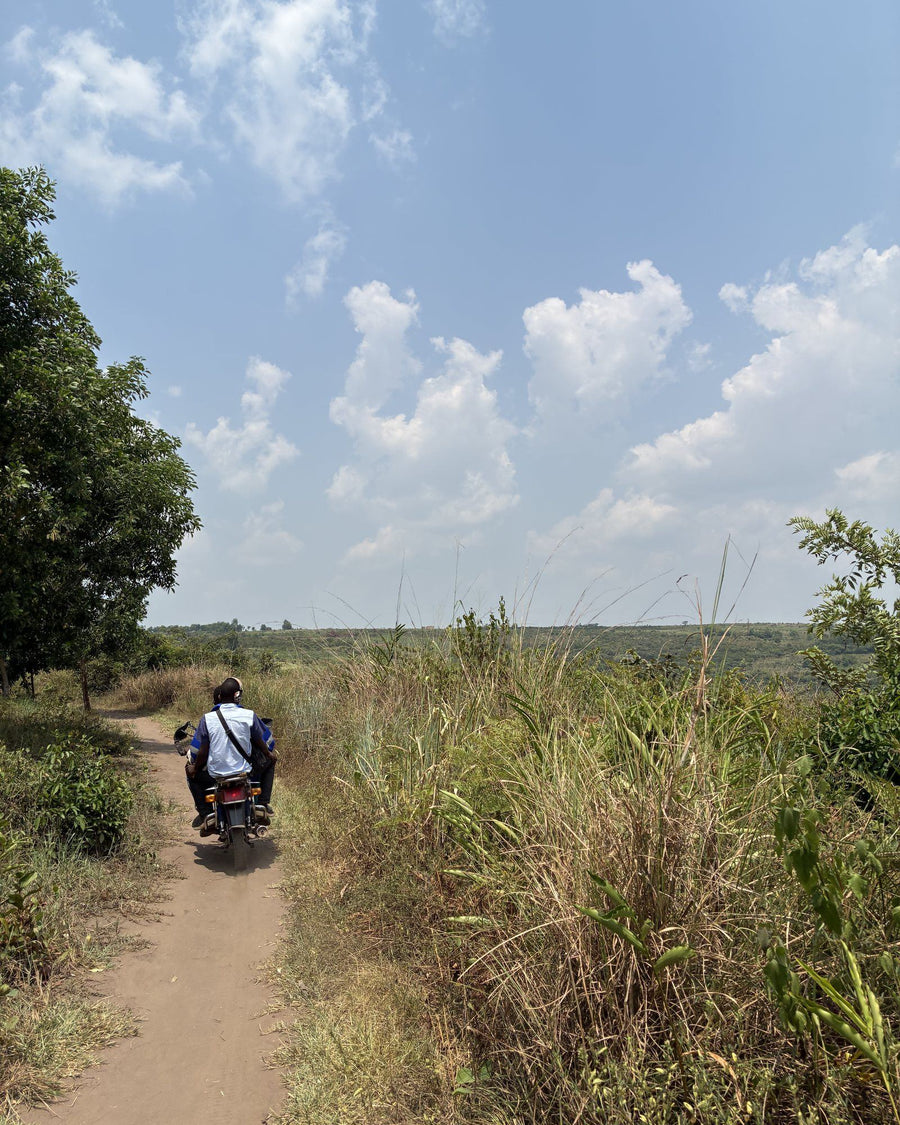
L’eau et la forêt sur la route des ruches. Kongo Central.Water and forest on the way to the hives. Kongo Central.
La deuxième forêt tropicale de la planète après l’Amazonie. Elle s’étend sur six pays, et quelque 60 millions de personnes en dépendent.The second-largest tropical forest on Earth, after the Amazon. It stretches across six countries, and some 60 million people depend on it.
Le parasolier, le musanga, ouvre les clairières. Autour de lui, l’acacia, l’albizia, le mimosa et une multitude d’espèces qu’aucune plantation ne réunirait jamais.The umbrella tree, the musanga, pioneers the clearings. Around it grow acacia, albizia, mimosa and a scatter of species no plantation would ever put side by side.
Les parasoliers sont coupés pour le charbon de bois, et les abeilles ont besoin d’arbres. Ce n’est pas une cause annexe : c’est ce qui permet à ce miel de continuer d’exister.Umbrella trees are cut for charcoal, and bees need trees. Not a side cause: it is how this honey continues to exist.

Boisé, terreux et subtilement épicé, avec une finale robuste de caramel brun. Façonné par la biodiversité, jamais la monoculture. Woody, earthy and subtly spiced, with a robust finish of brown caramel. Shaped by biodiversity, never monoculture.
Sur des crêpes, du pain perdu, des pancakes, du pain chaud, un fromage affiné ou un yaourt épais. Dans un café, un thé ou un cocktail. Over crepes, French toast, pancakes, warm bread, aged cheese or thick yogurt. Stir it into coffee, tea or a cocktail.
Vous pouvez voir de fines bulles, un voile de pollen et de cire, ou une ligne crème pâle. Sa couleur suit la forêt en fleurs. You may see tiny bubbles, a veil of fine pollen and beeswax, or a pale cream line. Its color follows the forest in bloom.

En kikongo, luvila désigne la lignée : le fil qui vous relie à vos origines et vous empêche de vous égarer. Il porte les frères Olivier et Henri, enfants de la diaspora congolaise et angolaise, deux pays que l’ancien royaume Kongo tenait autrefois comme un seul. Ses forêts demeurent : sauvages, bruissantes d’abeilles, lourdes de fleurs, écrivant leur histoire dans ce miel. In Kikongo, luvila means lineage: the thread that ties you to your origins and keeps you from getting lost. It carries brothers Olivier and Henri, children of the Congolese and Angolan diaspora, two countries the old Kingdom of Kongo once held as one. Its forests remain: wild, loud with bees, heavy with blossom, writing their story into this honey.
Chaque pot rémunère les familles et les apiculteurs qui gardent cette forêt debout. Every jar pays the families and beekeepers who keep this forest standing.
Lire l’histoireRead the story
Un miel brut, non assemblé, traçable jusqu’à sa forêt. Analysé par des laboratoires américains indépendants, résultats publiés. A raw, unblended honey, traceable to its forest. Tested by independent US laboratories, results published.
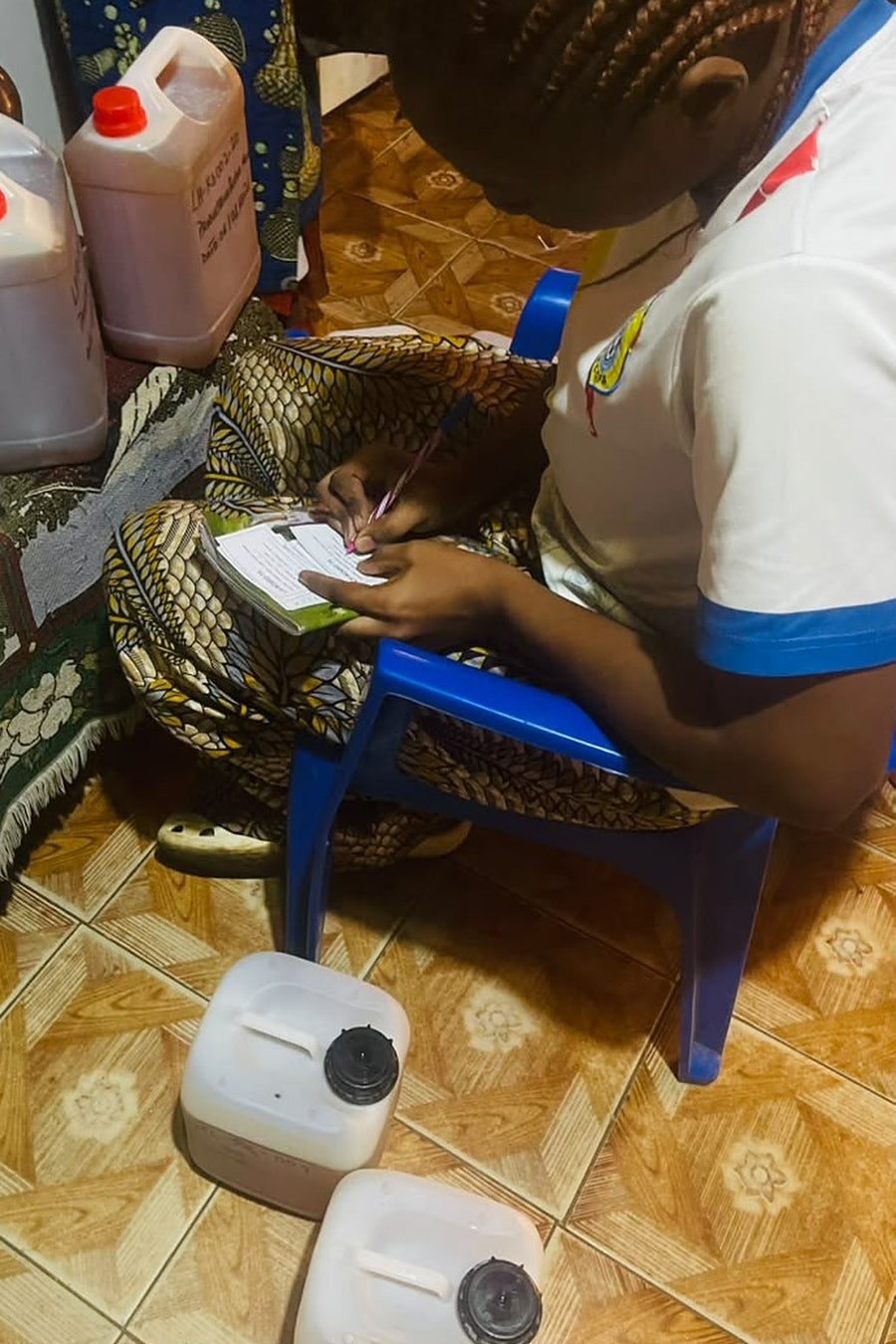
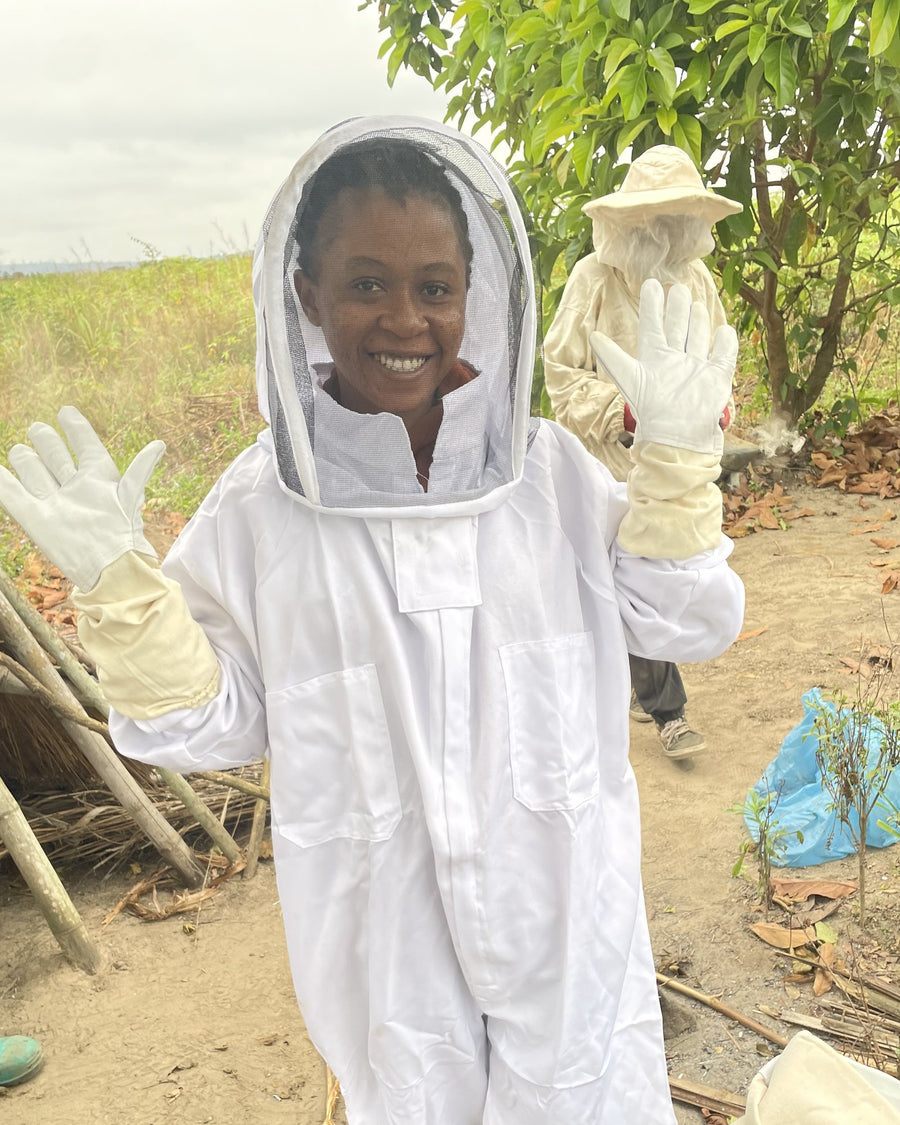
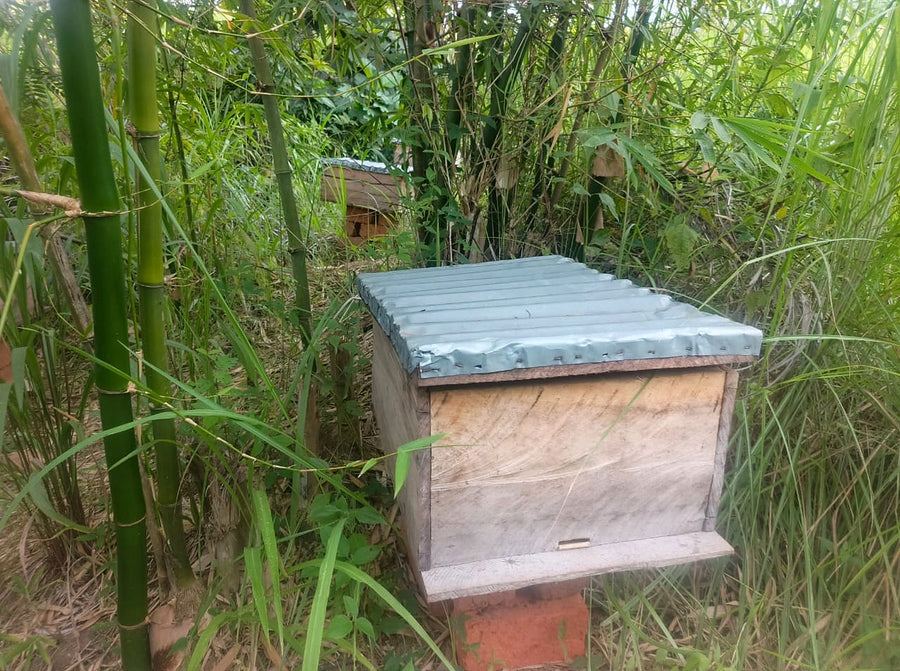
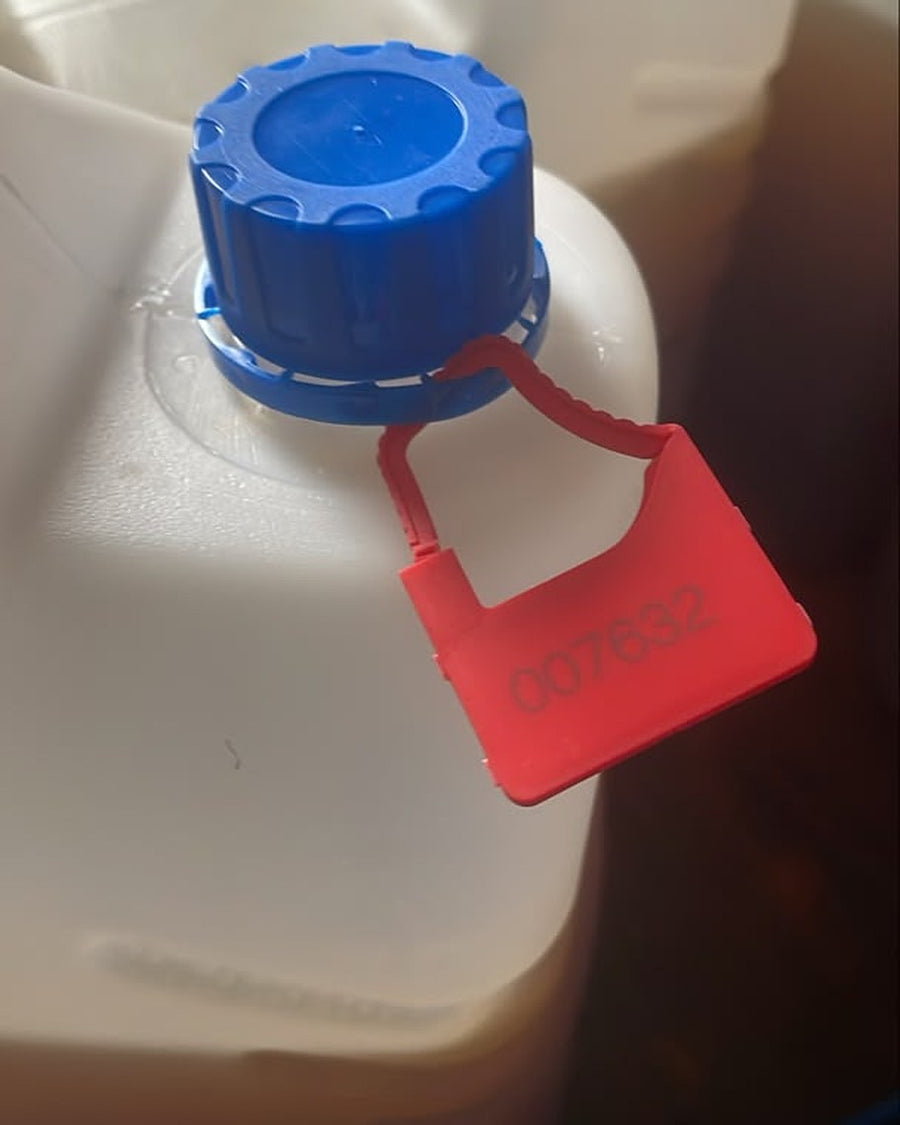
Monielo est l’association congolaise avec laquelle nous travaillons à l’origine. Elle réunit les familles d’apiculteurs, rassemble la récolte lot par lot, tient les registres qui permettent de remonter d’un pot à une seule forêt, et gère les documents qui permettent au miel de voyager. Une part de chaque lot revient, à travers Monielo, aux communautés autour de la forêt et à la replantation des arbres dont dépendent les abeilles. Monielo is the Congolese association we work with at origin. It brings the beekeeping families together, gathers the harvest lot by lot, keeps the records that let a jar be traced back to a single forest, and carries the paperwork that lets the honey travel. A share of every lot goes back through Monielo to the communities around the forest, and to replanting the trees the bees depend on.
Ce miel est fait pour la table.This honey is made for the table.
Quelques messages par an. Pas de publicité, pas de partage d’adresse.A few notes a year. No advertising, no sharing of your address.